
 06 February 2026
 Mekhriniso Abdurasulova
 396
396
 527
527
 1
1
 Share
Share
 Download
Abstract:
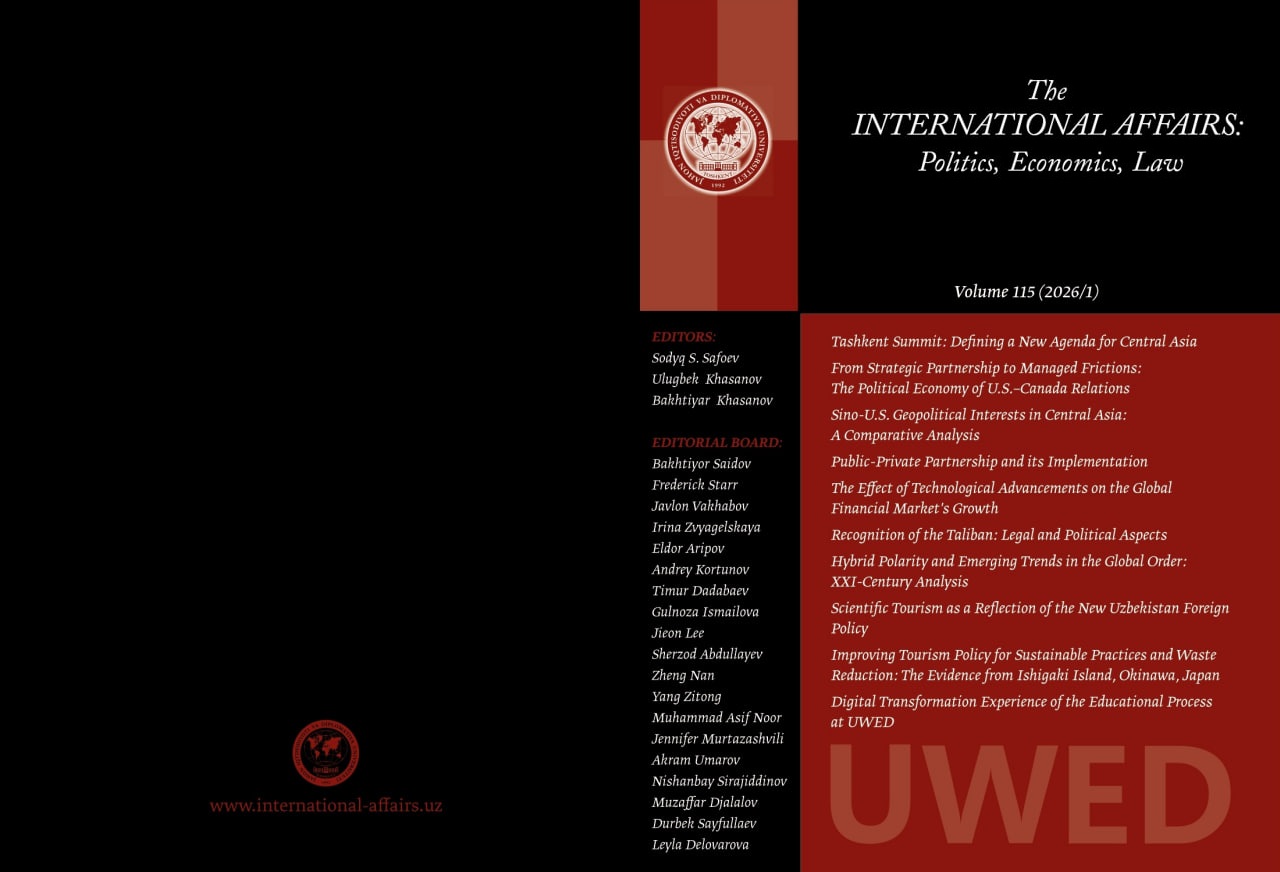
Japan is widely recognized for its environmental consciousness and high standards of cleanliness; however, rapid tourism growth has presented new sustainability challenges, particularly in peripheral island destinations. Using the case of Ishigaki City in Okinawa Prefecture, this study examines how tourism policy can be refined to encourage sustainable tourism practices and address waste-related issues. Based on field observations, interviews, policy documents, and local initiatives, the article analyzes current tourism and waste management policies, identifies institutional and implementation gaps, and highlights promising practices adopted by hotels, local authorities, and civil society.
Findings indicate that while Ishigaki has incorporated sustainable tourism elements aligned with the Sustainable Development Goals (SDGs), the surge in visitor numbers—driven largely by cruise tourism—has strained local waste management infrastructure. Balancing the preservation of Ishigaki's unique natural beauty and cultural identity with economic growth through hotel expansion is reflected in sustainable tourism efforts. Local authorities and stakeholders increasingly recognize the importance of implementing policies that foster responsible tourism. Grounded in interdisciplinary scientific research, the article highlights that the Japanese experience offers valuable policy insights capable of bolstering broader bilateral relations between Uzbekistan and Japan.
Keywords: sustainable tourism, waste management, SDGs, Okinawa Island, Ishigaki City, tourism policy, relations between Uzbekistan and Japan, interdisciplinary scientific research.